
Bladder hydrodystension
When to consider hydrodistension?
Hydrodistension is a technique used in the treatment of certain functional bladder disorders, particularly in the context of painful bladder syndrome (or interstitial cystitis) .
Hydrodistension may be recommended when urinary problems lead to:
✔ disabling pollakiuria (frequent need to urinate),
✔ chronic bladder pain,
✔ mictional urgency without sufficient improvement by drug or conservative treatments.
In these situations, hydrodistension often allows for a lasting improvement in symptoms and quality of life, particularly when other therapeutic options have failed.
Painful bladder syndrome / interstitial cystitis
Origin
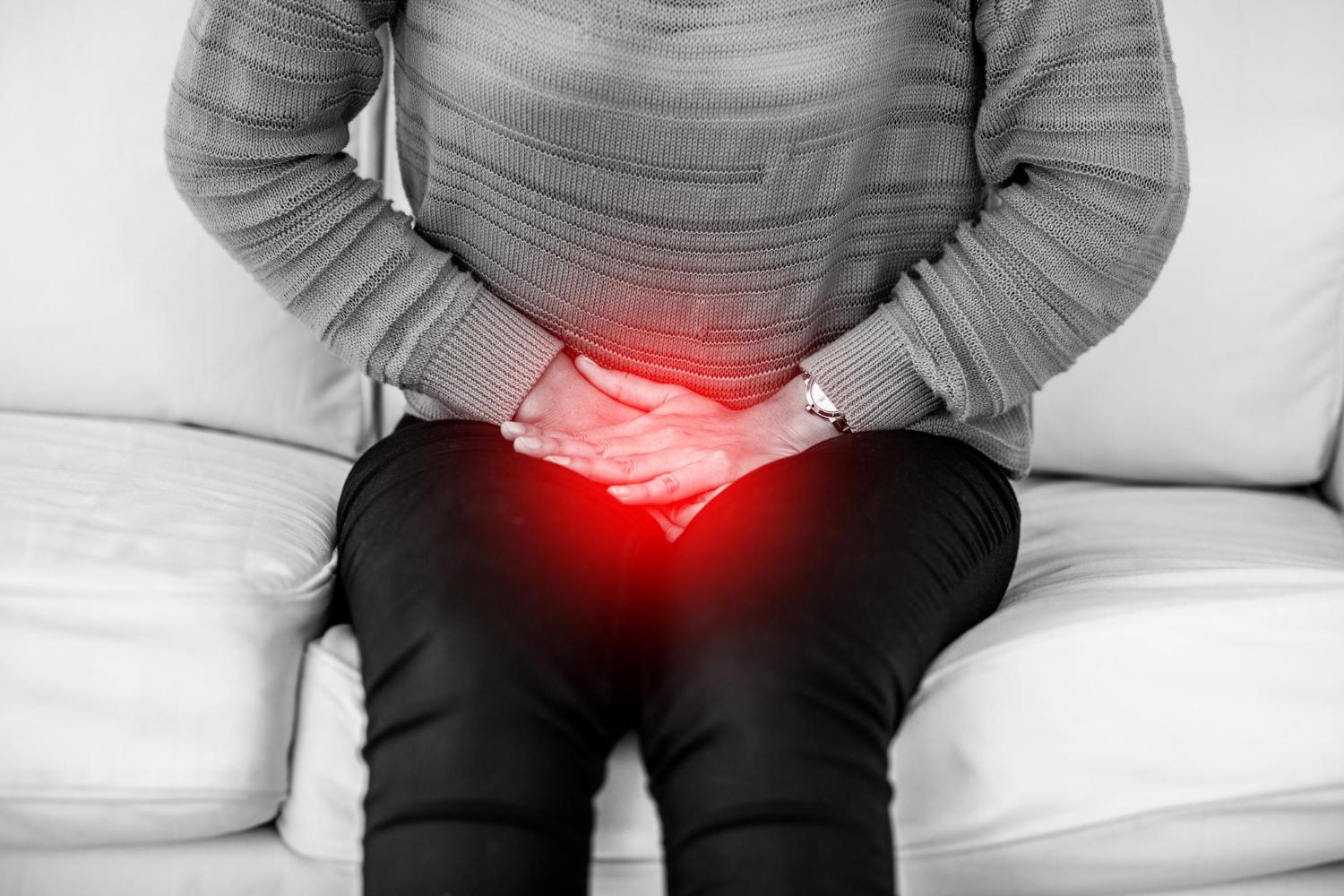
This is a chronic bladder disorder, without an infectious cause or lesion visible on imaging or standard cystoscopy, characterized by:
Pelvic pain
Sensation of pressure or discomfort in the bladder
High urinary frequency , often during the day and night
This syndrome is complex and multifactorial, often associated with other pelvic disorders (endometriosis, pelvi-perineal pain, etc.).
Symptoms
Bladder pain or burning that increases as the bladder fills
Partial relief after urination
Frequent urge to urinate , sometimes every 30 to 60 minutes
Quality of life severely impaired
Hydrodistension offered
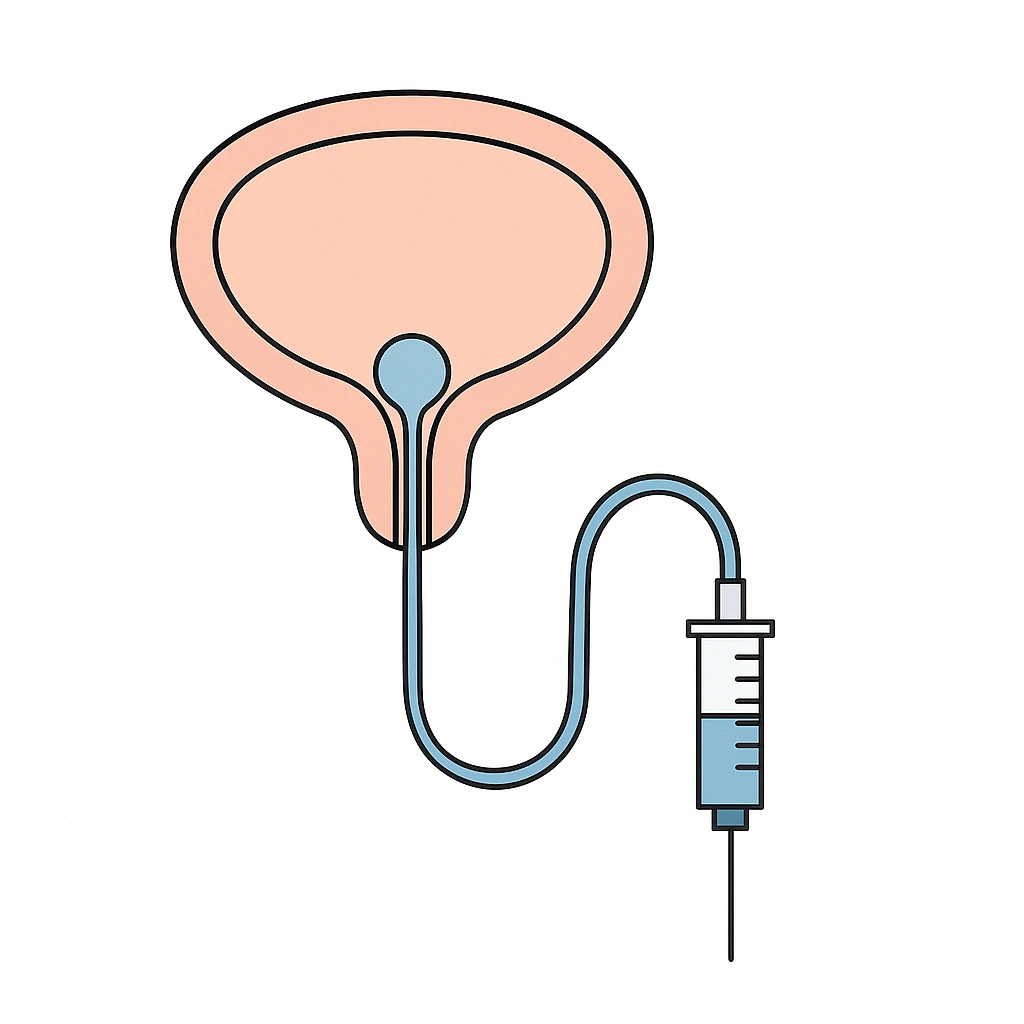
Hydrodistension involves filling the bladder in a controlled manner under anesthesia, in order to assess its capacity, behavior and to “reset” pain receptors.
✔ Performed under general or spinal anesthesia
✔ Fill the bladder with saline solution for a few minutes under moderate pressure
✔ Observation of the bladder wall : searching for lesions or bleeding characteristic of cystoscopy
✔ Sometimes associated with a medicated instillation after filling
✔ Result: reduced pain and improved symptoms in many patients, sometimes for several months

Bladder hydrodistension
Results and follow-up Hydrodistension often allows: An improvement in urinary frequency A reduction in pelvic or bladder pain Improved bladder tolerance
Possible transient effects Burning during urination for the first few days Small amounts of blood in the urine (hematuria) Risk of urinary tract infection , prevented by appropriate antibiotic prophylaxis
Specialized follow-up Follow-up consultation after the procedure Clinical reassessment at 1–3 months The procedure can be repeated if necessary.
Why consult Dr Laurence Peyrat?
✔ Recognized specialist in functional and pelvic urology.
✔ Personalized, multidisciplinary approach to pelvic pain.
✔ Mastery of advanced endoscopic techniques and innovative treatments.
✔ Possible collaboration with other specialists (gynecologists, physical therapists, pain centers).
Patient journey
Discover in video the typical patient journey, my approach to urology and my method of procedure.
A first step towards an effective solution
Make an appointment today to benefit from attentive listening and support tailored to your situation.