
bladder polyp
Early detection and monitoring are key to preventing recurrence.
Dr. Laurence Peyrat, a urologist in Paris, explains the assessment (cystoscopy, examinations) and treatment of bladder polyps, including endoscopic resection.
What is a bladder polyp?
A bladder polyp is an abnormal growth on the lining of the bladder. It can be benign, but always requires careful monitoring because some polyps can develop into precancerous or cancerous forms.
What are the symptoms?
What are the causes?
- Chronic bladder irritations (infections, stones),
- Exposure to certain toxins (tobacco, chemicals),
- History of urological pathologies,
- Inflammatory factors.
When should I consult Dr. Laurence Peyrat?
How does the diagnosis process work?
- Consultation and collection of symptoms,
- Urine analysis and blood test,
- Cystoscopy: endoscopic examination of the bladder allowing visualization and removal of the polyp,
- Further examinations (biopsy, imaging) if necessary.
What treatments are offered?
Why consult Dr. Laurence Peyrat?
My review in video
In this video, I quickly explain what a bladder polyp is, how it is diagnosed, and the steps involved in treatment.
Do you have a bladder polyp?
Don’t let this problem impact your well-being.
Paris 8th – Paris Opera Urology Center & Turin Clinic
Consultations by appointment and via teleconsultation
Your needs
bladder polyp
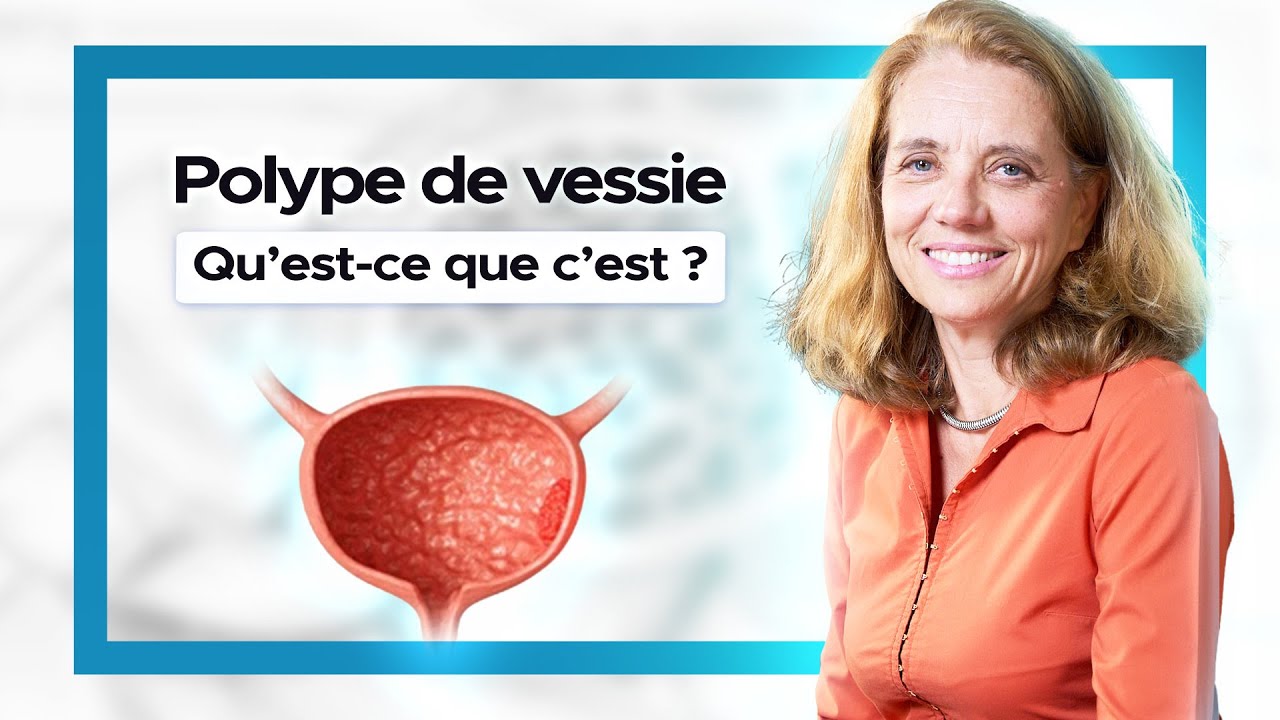
My review in video
FAQ – Frequently Asked Questions
What are the signs of a bladder polyp?
The most common sign is the presence of blood in the urine, often painless and intermittent. Frequent urges to urinate, burning without infection, or recurrent cystitis can also indicate a polyp.
Is a bladder polyp cancerous?
A polyp is a tumor of the bladder whose nature can only be determined by microscopic analysis. In most cases, they are superficial, non-invasive tumors with a good prognosis when removed and properly monitored.
What are the risk factors?
Tobacco is by far the leading risk factor (more than half of cases), followed by certain occupational exposures (dyes, hydrocarbons). Quitting smoking is an integral part of treatment.
How is a bladder polyp treated?
Complete endoscopic resection (TURP) followed by histological analysis. Depending on the risk, intravesical instillations (mitomycin, BCG) may be administered, and regular monitoring by cystoscopy is then arranged.
Dr Laurence Peyrat's expertise
Chirurgienne Urologue à Paris

bladder polyp: there are solutions.