
Painful bladder syndrome
Relieving chronic bladder pain
Bladder pain, frequent urges, burning without infection: these could indicate a painful bladder. Diagnosis and personalized treatment with Dr. Peyrat, urologist in Paris.
What is painful bladder syndrome?
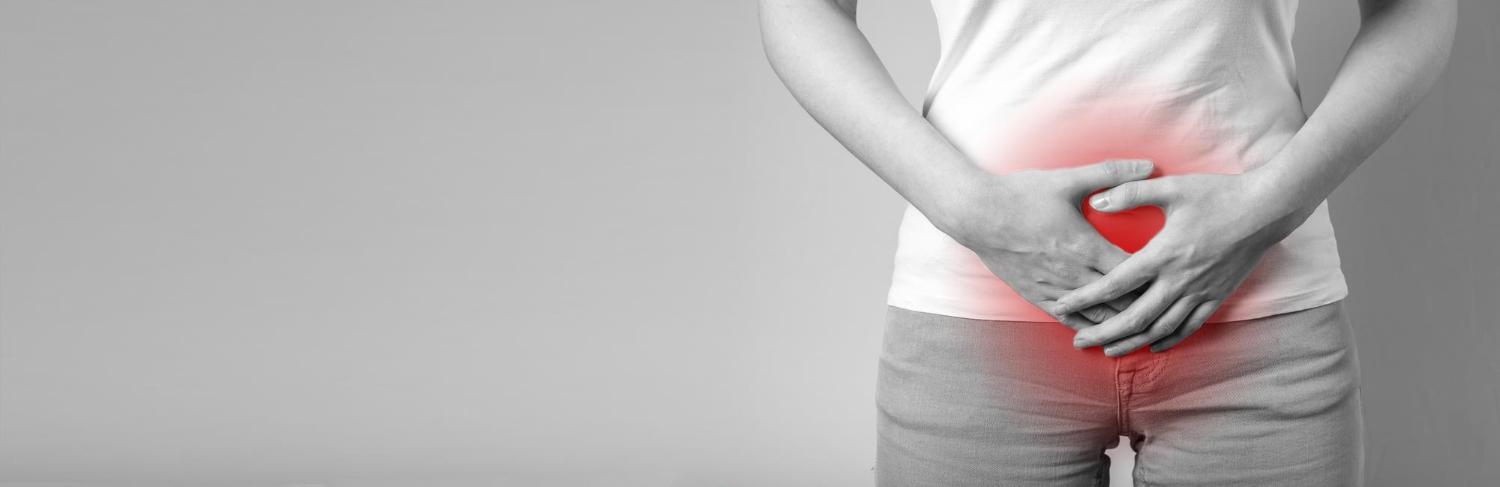
Painful bladder syndrome, also called interstitial cystitis, is a chronic condition characterized by pelvic pain associated with urinary problems, in the absence of a urinary tract infection.
This complex condition profoundly affects quality of life, with persistent pain, frequent urges to urinate, and constant discomfort.
What are the symptoms?
What are the causes?
The precise causes remain poorly understood, but several hypotheses have been put forward:
- Alterations of the bladder wall,
- Chronic inflammation of the mucous membrane,
- Pelvic nervous system dysfunctions
- Immune or autoimmune factors,
- Trauma or repeated irritation of the bladder.
When should I consult Dr. Laurence Peyrat?
How does the diagnosis process work?
The diagnosis is based on:
- Detailed interview on the symptoms and their impact,
- Exclusion of other urinary causes (infections, stones, tumors),
- Additional tests (urine analysis, cystoscopy under anesthesia),
- Urodynamic tests to assess bladder function.
What are the treatment options?
Why consult Dr. Laurence Peyrat?
My review in video
Understand through this video what a painful bladder is, its possible causes and the treatments offered to provide lasting relief from the symptoms.
Are you suffering from a painful bladder?
Don’t let this problem impact your well-being.
Paris 8th – Paris Opera Urology Center & Turin Clinic
Consultations by appointment and via teleconsultation
Your needs
Painful bladder syndrome

My review in video
FAQ – Frequently Asked Questions
What is painful bladder syndrome?
Also called interstitial cystitis, it is a chronic bladder pain, worsened by filling the bladder and relieved by urination, accompanied by frequent urges, without any evidence of infection. It mainly affects women.
How is the diagnosis made?
It is a diagnosis of exclusion: repeated sterile urine cultures, voiding diary, cystoscopy with hydrodistension to look for suggestive lesions (glomerulations, Hunner’s ulcers) and rule out other bladder pathologies.
What treatments can provide relief?
Treatment is progressive: dietary measures (avoidance of irritants), medication, intravesical instillations, hydrodistension, laser treatment of ulcers, and even neuromodulation. Perineal physiotherapy is helpful in cases of associated hypertonia.
Can a painful bladder be cured?
It is a chronic disease that progresses in flare-ups, but lasting improvement is achieved in the majority of patients through personalized and multidisciplinary care. Identifying your triggers is a key step.
Dr Laurence Peyrat's expertise
Chirurgienne Urologue à Paris

Painful bladder syndrome: there are solutions.