
Genitourinary syndrome of menopause
Dryness and urinary discomfort: no longer suffering through menopause
Dr. Laurence Peyrat, a urologist in Paris, treats genitourinary syndrome of menopause with innovative and tailored treatments.
What is genitourinary syndrome of menopause?
Genitourinary syndrome of menopause (GSUM) encompasses a set of symptoms related to the decrease in female hormones after menopause, affecting the genital and urinary region.
These changes can lead to vaginal dryness, pain during intercourse, and various urinary problems.
What are the symptoms?
What are the causes?
SGUM is primarily linked to a drop in estrogen levels , which leads to:
- Thinning and weakening of the vaginal mucosa,
- Alteration of the balance of the vaginal flora,
- Reduction in pelvic floor tone,
- Decrease in urinary tissue resistance.
When should I consult Dr. Laurence Peyrat?
How does the diagnosis process work?
- In-depth interview to gather information about your symptoms and medical history,
- Gynecological and urological clinical examination to assess the condition of the mucous membranes and pelvic floor,
- Additional tests if needed (analyses, ultrasound, urodynamic assessment).
What are the possible solutions?
Why consult Dr. Laurence Peyrat?
My review in video
In this video, I introduce you to the genitourinary syndrome of menopause, its causes and the treatments available to improve intimate comfort.
Are you suffering from genitourinary syndrome?
Don’t let this problem impact your well-being and self-confidence.
Paris 8th – Paris Opera Urology Center & Turin Clinic
Consultations by appointment and via teleconsultation
Your needs
Genitourinary syndrome of menopause
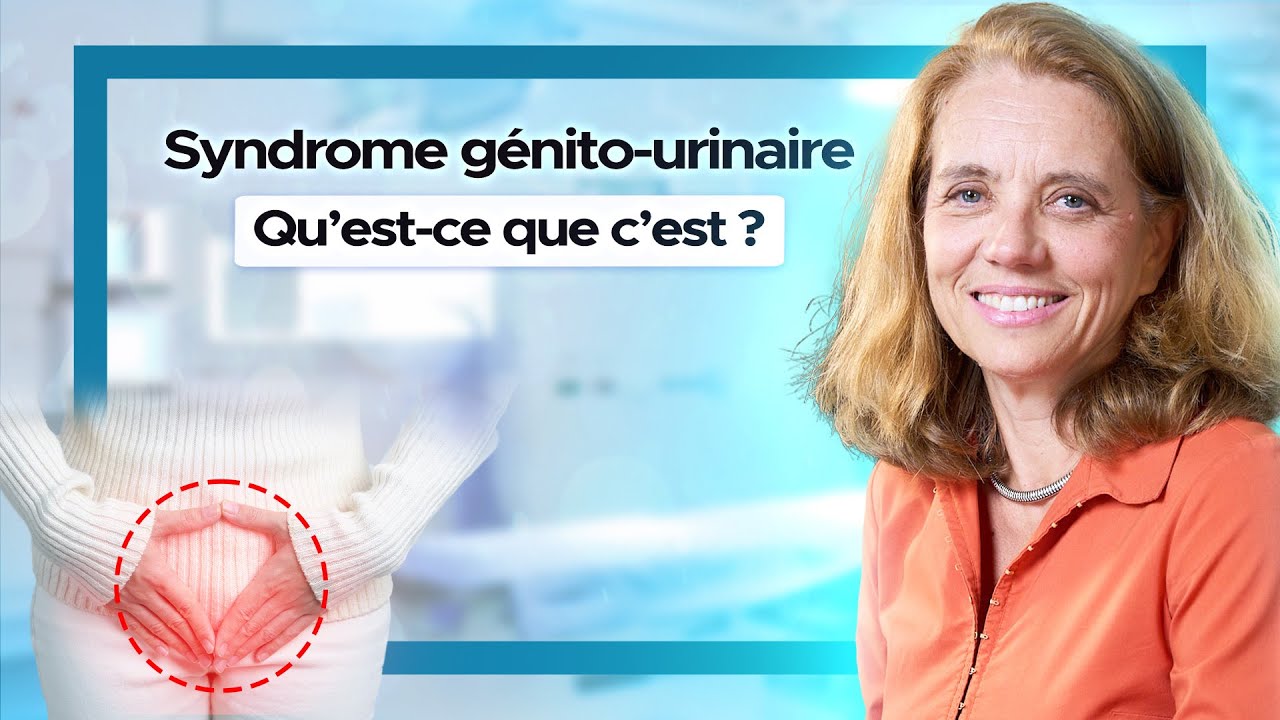
My review in video
FAQ – Frequently Asked Questions
What is genitourinary syndrome of menopause?
This refers to the set of symptoms associated with estrogen deficiency after menopause: vaginal dryness, burning, pain during intercourse, frequent or urgent urination, and recurrent cystitis. It affects more than half of women after menopause.
Are these symptoms inevitable?
No. Unlike hot flashes, which subside, these symptoms worsen over time without treatment. Effective solutions exist and provide lasting improvements in quality of life, including intimacy.
What treatments are available?
Local treatments are the foundation: local estrogens (vaginal suppositories, creams, rings), moisturizers, and lubricants. Depending on the case, pelvic floor rehabilitation and treatment of associated urinary disorders complete the management plan.
Are local estrogens safe?
At the local doses used, absorption into the bloodstream is minimal, and studies are reassuring, including regarding breast health for the majority of women. The situation is discussed on a case-by-case basis in cases of a history of hormone-dependent cancer, with the oncologist if necessary.
Dr Laurence Peyrat's expertise
Chirurgienne Urologue à Paris

Genitourinary syndrome of menopause: there are solutions.