
Stress incontinence
Stress leaks: treatments that work
Dr. Laurence Peyrat, a urologist in Paris, assesses and treats stress urinary incontinence using effective and personalized solutions.
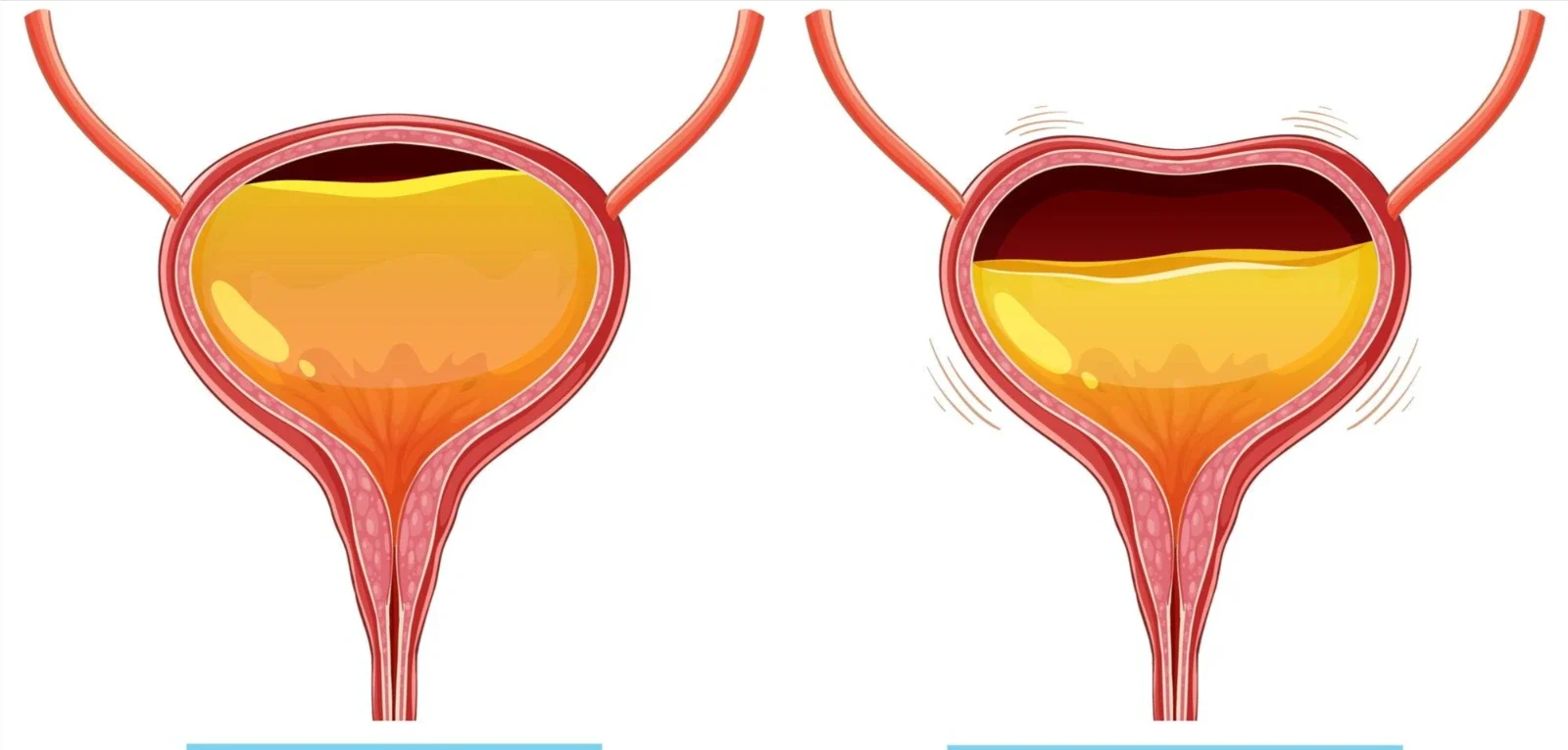
What is stress urinary incontinence?
Stress urinary incontinence is the most common form of incontinence in women. It manifests as involuntary leakage of urine when pressure is applied to the bladder, caused by physical exertion, sneezing, coughing, or laughing.
These leaks occur without a feeling of an urgent need to urinate and can affect daily, social and professional life.
What are the symptoms?
What are the causes?
Stress incontinence is due to an insufficiency of the urinary sphincter or to a weakening of the pelvic floor which no longer properly supports the urethra.
Common causes include:
- Childbirth (perineal trauma),
- Aging and menopause (drop in hormones),
- Previous pelvic surgeries ,
- The occurrence of repeated exertion or intensive practice of certain sports,
- Obesity or chronic cough (tobacco, respiratory diseases).
When should I consult Dr. Laurence Peyrat?
How does the diagnosis process work?
The diagnosis is based on:
- A detailed consultation to understand your symptoms and their impact,
- A clinical examination with evaluation of the perineum,
- Sometimes additional tests such as urodynamics ,
- An assessment of lifestyle and risk factors.
What are the solutions?
Why consult Dr. Laurence Peyrat?
My review in video
I made this video to explain simply what stress urinary incontinence is, its main causes, the mechanisms involved, and possible solutions to effectively remedy it.
Do you suffer from incontinence?
Don’t let this problem impact your well-being and self-confidence.
Paris 8th – Paris Opera Urology Center & Turin Clinic
Consultations by appointment and via teleconsultation
Your needs
Stress incontinence
My review in video
FAQ – Frequently Asked Questions
How to recognize stress incontinence?
Incontinence occurs during physical exertion—coughing, sneezing, laughing, sports, lifting heavy objects—without any prior urge to urinate. It is linked to a lack of support in the urethra or a weakness in the sphincter.
What are the causes in women?
Pregnancy and childbirth, menopause, repetitive strain (chronic constipation, coughing, high-impact sports) and the aging of connective tissues can all contribute to this condition. There is also a familial predisposition.
What is the first-line treatment?
Pelvic floor rehabilitation, which strengthens the pelvic floor muscles, improves or cures more than half of mild to moderate stress incontinence cases. Weight loss is also very effective in cases of overweight.
What if rehabilitation isn't enough?
The suburethral sling is the standard treatment, with 85 to 90% long-term success. Periurethral bulking agents offer a less invasive alternative in certain situations. The choice is discussed after evaluation.
Dr Laurence Peyrat's expertise
Chirurgienne Urologue à Paris

Stress incontinence: there are solutions.